
What is an ETP? And Why is It Essential for Modern Industries?
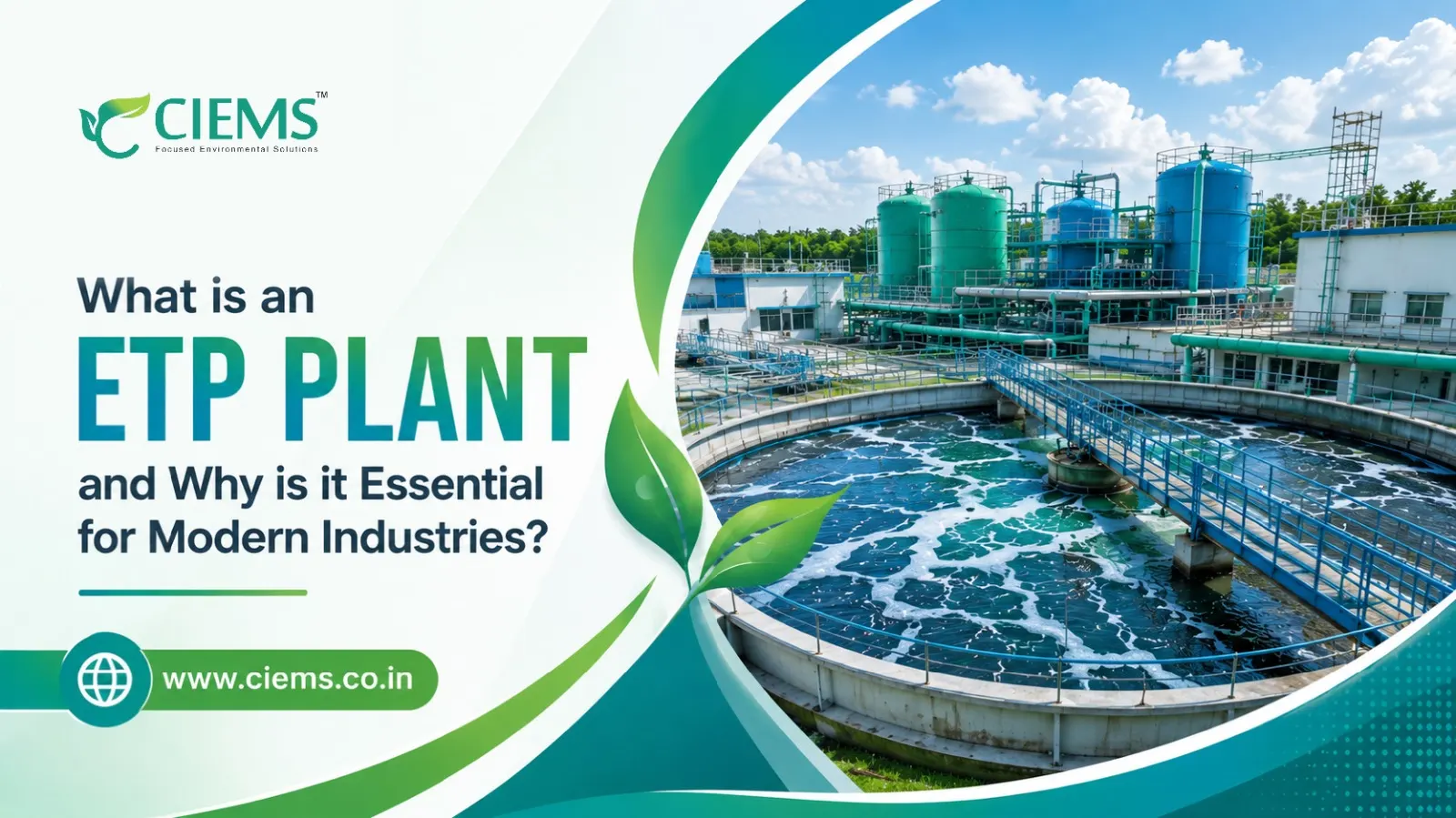
Sustainable industrial development depends on combining business growth with responsible environmental practices. Every manufacturing process generates wastewater containing contaminants such as chemicals, oils, heavy metals, organic matter, and suspended solids. If this wastewater is discharged without treatment, it can cause severe environmental damage, contaminate water bodies, and lead to regulatory penalties.
An ETP (Effluent Treatment Plant) is specifically designed to treat industrial wastewater before it is discharged into the environment or reused within the facility. Modern industries are increasingly investing in efficient wastewater treatment systems to meet environmental regulations, reduce operational costs, and support sustainable business practices. Organizations such as CIEMS provide customized ETP solutions tailored to different industrial sectors, ensuring compliance, efficiency, and long-term environmental protection.
Understanding an ETP
Definition of an Effluent Treatment Plant
An ETP is a wastewater treatment system that removes pollutants, contaminants, and harmful substances from industrial effluent. The primary objective is to make wastewater safe for discharge or reuse while complying with environmental regulations. Industrial wastewater typically contains complex contaminants that require specialized treatment processes beyond conventional sewage treatment methods. Therefore, a dedicated ETP is required to handle industry-specific contaminants effectively.
Unlike domestic wastewater treatment systems, ETPs are specifically engineered to handle the unique wastewater characteristics and pollutant loads generated by different industries. Whether it is a pharmaceutical unit generating chemical residues or a textile facility producing dye-laden wastewater, each industry requires a customized treatment approach.
Why Industrial Wastewater Requires Treatment
Industrial effluent can contain hazardous substances that pose risks to both human health and the environment. Untreated wastewater may pollute rivers, lakes, and groundwater sources, affecting ecosystems and local communities. Regulatory authorities have established strict discharge standards to control industrial pollution and ensure sustainable water management.
Proper wastewater treatment helps industries:
- Meet environmental regulations
- Prevent water pollution
- Reduce legal risks and penalties
- Promote sustainable operations
- Improve resource efficiency
How an ETP Works
The treatment process within an ETP typically involves a combination of physical, chemical, and biological treatment methods. The exact configuration depends on the type of wastewater generated.
Preliminary Treatment Process
The first stage involves removing large debris, grit, and floating materials from wastewater. Screening systems and grit chambers help protect downstream equipment from damage and improve overall treatment efficiency.
Primary Treatment Process
During primary treatment, suspended solids and settleable particles are removed through sedimentation and clarification processes. Chemical dosing may also be introduced to neutralize pH levels and facilitate contaminant removal.
Secondary Biological Treatment
Advanced technologies such as MBBR (Moving Bed Biofilm Reactor) and MBR (Membrane Bioreactor) are widely used to enhance treatment efficiency while optimizing operational costs. CIEMS offers advanced biological treatment technologies tailored to specific industrial requirements.
Tertiary and Advanced Treatment
Tertiary treatment serves as the final polishing stage. Advanced filtration, UV disinfection, reverse osmosis, and membrane technologies are used to achieve higher water quality standards. This treated water can often be reused for industrial processes, landscaping, cooling towers, or other non-potable applications.
Key Components of an ETP
An efficient ETP comprises several interconnected systems that work together to treat industrial wastewater effectively and achieve the required discharge standards.
Collection and Equalization Tanks
Equalization tanks are designed to regulate fluctuations in wastewater flow and pollutant levels. This prevents sudden shock loads and ensures a stable, consistent treatment performance across downstream systems.
Chemical Treatment Units
Chemical treatment systems are used for coagulation, flocculation, pH adjustment, and removal of dissolved contaminants. These units play a critical role in preparing wastewater for subsequent treatment stages.
Biological Treatment Systems
Biological reactors utilize beneficial microorganisms to degrade organic pollutants. Advanced technologies such as MBBR and MBR provide high treatment efficiency, compact system design, and superior effluent quality for industrial wastewater treatment.
Sludge Handling Systems
Wastewater treatment generates sludge that must be managed properly. Sludge thickening, dewatering, and disposal systems ensure safe and environmentally responsible waste management.
Industries That Need an ETP
Almost every manufacturing sector that generates industrial wastewater can benefit from installing an ETP.
Industry | Common Wastewater Contaminants |
Pharmaceuticals | Chemicals, solvents, organic compounds |
Textiles | Dyes, colorants, suspended solids |
Chemicals | Acids, alkalis, toxic compounds |
Food & Beverage | Organic waste, oils, grease |
FMCG | Process chemicals, cleaning agents |
Engineering & Manufacturing | Heavy metals, lubricants, oils |
Pharmaceutical Industry
Pharmaceutical facilities generate wastewater containing active compounds, solvents, and chemical residues. A robust ETP helps ensure compliance with discharge standards while minimizing environmental impact.
Textile and Dyeing Industry
Textile wastewater often contains dyes, salts, and color pigments that require specialized treatment processes. Advanced ETP systems help remove color and reduce chemical oxygen demand (COD).
Chemical Manufacturing
Chemical industries produce highly variable wastewater streams. Customized treatment solutions are necessary to address specific pollutants and maintain regulatory compliance.
Food and Beverage Processing
Organic waste, fats, oils, and grease are common contaminants in food processing wastewater. Effective wastewater treatment enables industries to reuse water, reducing their dependence on freshwater resources.
Benefits of Installing an ETP
Regulatory Compliance
Environmental regulations are becoming increasingly stringent. Installing an ETP helps industries comply with CPCB (Central Pollution Control Board) and SPCB (State Pollution Control Board) discharge norms while avoiding legal penalties and operational disruptions.
Environmental Protection
Effective wastewater treatment helps minimize environmental pollution while safeguarding valuable natural water resources. Industries can significantly lower their environmental footprint while contributing to sustainable development goals.
Water Reuse and Cost Savings
Treated water can be reused in cooling towers, process applications, gardening, and utility operations. This reduces dependence on freshwater sources and lowers water procurement costs. Advanced systems also support Zero Liquid Discharge (ZLD) initiatives for maximum water recovery.
Enhanced Brand Reputation
Customers, investors, and regulatory bodies increasingly value environmentally responsible businesses. A well-designed ETP demonstrates a company’s commitment to sustainability and corporate responsibility.
Choosing the Right ETP Solution
Factors to Consider
When selecting an ETP, industries should evaluate the following:
- Wastewater characteristics
- Flow rate and treatment capacity
- Regulatory requirements
- Available installation space
- Water reuse objectives
- Operating and maintenance costs
- Future expansion requirements
A customized approach ensures optimal performance and long-term value.
Why Partner with CIEMS
CIEMS specializes in designing, supplying, installing, and maintaining customized wastewater treatment systems for various industries. Their expertise covers advanced technologies such as MBBR, MBR, ASP, SBR, UV treatment, RO systems, and turnkey ETP solutions. With a strong focus on compliance, operational efficiency, and sustainability, CIEMS helps industries achieve reliable wastewater management while supporting future growth.
Conclusion
An ETP is no longer just a regulatory requirement; it is a strategic investment for industries aiming to operate responsibly and sustainably. By treating industrial wastewater effectively, businesses can reduce environmental impact, achieve compliance, lower operating costs, and strengthen their reputation in the market.
As industries continue to face increasing environmental challenges and stricter regulations, implementing a modern and efficient ETP becomes essential for long-term success. Partnering with experienced wastewater treatment experts like CIEMS ensures that your facility receives a customized solution designed for performance, compliance, and future scalability.